
Winter School Shutdown Hurting Poor Students in Kashmir: Education Activist
Rural Children Left Behind as Private Tuitions Flourish in Cities. Call for Using Closed Schools as Winter Coaching Centres


Srinagar, Dec 4, KNT: Serious concerns have been raised over the impact of extended winter school closures on economically weaker students in Jammu and Kashmir, with an education activist warning that the prevailing system is widening the learning gap between rural and urban children.
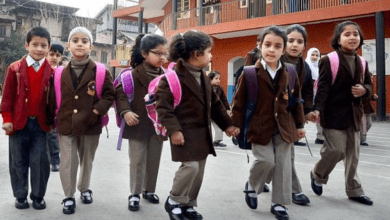
Tariq Aziz Dar, a social activist based in Kashmir, said that the Education Department’s policy of shutting schools for nearly four months during winter has pushed thousands of poor students out of structured learning while children from affluent families continue their studies through private arrangements.
“In cities and towns, coaching centres are operating everywhere, but in villages, there is no infrastructure, no accommodation, and soaring fees make private tuition impossible for the poor,” Dar told KNT.
He said the system has created two parallel education paths in the Union Territory, one for the privileged and another for the underprivileged. “Children of bureaucrats, politicians and well-off families simply move to other cities during winter and continue their education. The poor child remains behind with no support system,” he said.
📢 8,000+ readers already joined for instant Kashmir News Trust updates
Dar questioned the absence of government-backed winter academic arrangements, especially for kindergarten and primary students. “If the government has the authority to close schools, why does it not take responsibility to ensure learning continues? Expecting a five-year-old to travel long distances in freezing cold for tuition is neither practical nor humane,” he said.
He warned that withholding structured education for months has long-term consequences. “A child cannot remain disconnected from books for one-third of the year and then be expected to compete academically. This is a slow destruction of the future of poor families,” he added.
Dar appealed to the authorities to allow the use of school buildings during winter for organised tuition programmes in rural areas, with heating facilities arranged through community support, local bodies or religious endowment groups.
“Education must not become a privilege of geography or wealth. It should reach every child, in every village, in every season,” he said. [KNT]