

How to Become Spiritual? 30-Day Imam Ghazali (RA) Practice Program Adopted for Modern Life
Imam al-Ghazali (c. 1058–1111) was a Persian Muslim scholar, theologian, jurist, philosopher, and mystic, widely regarded as one of the most influential figures in Islamic intellectual history.

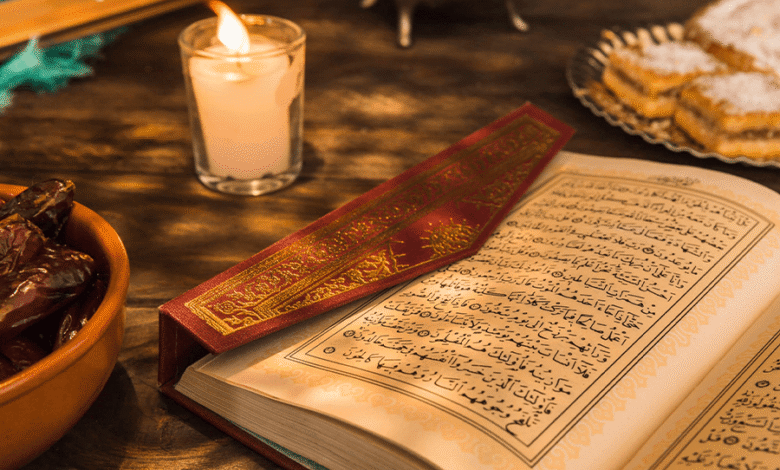
Here is a clear, realistic, step-by-step 30-DAY Imam Ghazali (RA) PRACTICE PROGRAM — exactly the way Imam al-Ghazali himself intended, adapted for modern life.
This is not motivational talk.
This is the discipline of the soul (riyāḍat al-nafs).
Read slowly.
🌙 THE 30-DAY Ghazali METHOD
(Reviving the Heart Without Leaving the World)
📢 8,000+ readers already joined for instant Kashmir News Trust updates
CORE PRINCIPLES (READ FIRST)
Before starting, understand four Ghazalian rules:
1️⃣ Consistency > quantity
2️⃣ Private worship > public display
3️⃣ Action > knowledge accumulation
4️⃣ Self-blame > blaming others
If you violate these, the program will not work.
🔵 WEEK 1 (Days 1–7): FOUNDATION & AWARENESS
Goal: Wake up the heart
DAILY PRACTICES (MANDATORY)
1️⃣ Intention Reset (Morning – 1 minute)
Say (slowly, consciously):
“O Allah, I intend today for Your pleasure.
Protect me from hypocrisy and heedlessness.”
Ghazali says this protects the entire day.
2️⃣ Fard Salah with Presence (No Additions Yet)
Do not add nafl yet.
Focus only on:
-
praying on time
-
slowing down
-
knowing what you recite
Before every prayer, pause 5 seconds and say:
“I stand before Allah.”
3️⃣ Tongue Discipline (CRITICAL)
For 7 days:
-
no backbiting
-
no sarcasm
-
no unnecessary arguments
-
no moral superiority
If you slip → immediate istighfar
Ghazali says:
“The tongue is the interpreter of the heart.”
4️⃣ Night Muhasabah (5 minutes)
Ask yourself:
-
Where was I heedless?
-
Where did I obey Allah?
-
Where was my intention polluted?
No excuses. No despair.
END OF WEEK 1 RESULT
You should feel:
✔ more self-awareness
✔ discomfort with sins
✔ less judgment of others
If you feel proud → you failed. Restart.
🟢 WEEK 2 (Days 8–14): DISCIPLINE OF DESIRES
Goal: Break the ego’s control
1️⃣ Controlled Consumption
For 7 days:
-
Eat slightly less
-
Avoid excess sugar & junk
-
Avoid eating while distracted
Ghazali:
“An overfed body produces a dead heart.”
2️⃣ Screen Fasting (THIS IS MODERN JIHAD)
Daily:
-
No phone during meals
-
No phone before sleep
-
Reduce useless scrolling
This replaces classical silence retreats.
3️⃣ Dhikr Routine (10 minutes daily)
Morning or evening:
-
Astaghfirullah × 100
-
Salawat × 50
-
La ilaha illa Allah × 50
Say slowly, not mechanically.
If rushed → repeat later.
4️⃣ One Act of Hidden Good Daily
-
Help someone secretly
-
Give charity quietly
-
Forgive silently
-
Make du‘a for someone who wronged you
Ghazali:
“Hidden deeds crush the ego.”
END OF WEEK 2 RESULT
You should notice:
✔ reduced attachment to pleasure
✔ discomfort with excess
✔ increased inner restraint
If you feel spiritually superior → danger sign.
🟠 WEEK 3 (Days 15–21): HEART SURGERY
Goal: Treat one disease of the heart
1️⃣ Choose ONE Disease Only
Pick only one:
-
Pride
-
Anger
-
Envy
-
Love of status
-
Showing off (riya)
-
Greed
Follow us on X for quick updates𝕏 Follow @kntnewsagency
Do not multitask.
2️⃣ DAILY ANTI-EGO PRACTICE
Examples:
If pride:
-
Accept criticism silently
-
Do unnoticed tasks
-
Praise others
If anger:
-
Stay silent when triggered
-
Sit or lie down
-
Make wudu
If envy:
-
Make du‘a for the person
-
Praise them intentionally
Ghazali says:
“Oppose the ego and it weakens.”
3️⃣ Night Prayer (Minimum)
-
2 rak‘ahs
-
Even 2–3 nights/week is enough
No long recitations.
Focus on sincerity, not length.
END OF WEEK 3 RESULT
You should feel:
✔ humility
✔ resistance inside
✔ discomfort with ego reactions
If you feel self-admiration → stop and repent.
🔴 WEEK 4 (Days 22–30): ATTACHMENT TO ALLAH
Goal: Replace dunya with Allah
1️⃣ Qur’an with Reflection (10–15 minutes)
Not quantity.
Read slowly.
Ask:
-
What does Allah want from me?
-
What is He correcting?
Ghazali:
“The Qur’an was not revealed for speed.”
2️⃣ Frequent Death Awareness
Daily reminder:
-
Graves are silent
-
Status ends
-
Only deeds remain
This kills arrogance instantly.
3️⃣ Deep Du‘a (Once Daily)
Not long lists.
Speak honestly:
-
fears
-
weaknesses
-
failures
-
hopes
Ghazali:
“Allah loves the broken heart.”
4️⃣ Gratitude Practice
Before sleep:
-
Name 3 blessings
-
Thank Allah consciously
Gratitude anchors contentment.
END OF WEEK 4 RESULT
You should notice:
✔ softer heart
✔ less anger
✔ less obsession with dunya
✔ more sincerity
✔ stronger prayer
If you feel “I have arrived” → you are deluded.
⚠️ MAJOR WARNINGS FROM GHazali (DO NOT IGNORE)
❌ Do NOT talk about your spiritual progress
❌ Do NOT judge others
❌ Do NOT compare paths
❌ Do NOT abandon Sharia
❌ Do NOT chase experiences
Ghazali says:
“Many perish at the gate of sincerity.”
🟢 WHAT TO DO AFTER 30 DAYS
If completed sincerely:
✔ Repeat the cycle
✔ Treat another heart disease
✔ Slowly increase night prayer
✔ Keep Calm
✔ Maintain humility
This is lifelong, not a challenge.
⭐ FINAL WORD FROM Ghazali (ESSENCE)
“The journey to Allah is not by feet,
but by cleansing the heart.”
You do not need:
-
miracles
-
visions
-
titles
-
followers
You need:
✔ sincerity
✔ discipline
✔ patience
✔ humility
That is Imam al-Ghazali’s path — timeless, realistic, and transformative.
For Readers:
Imam al-Ghazali (c. 1058–1111) was a Persian Muslim scholar, theologian, jurist, philosopher, and mystic, widely regarded as one of the most influential figures in Islamic intellectual history. Revered with the title Hujjat al-Islam (Proof of Islam), he played a decisive role in revitalizing Islamic theology and integrating Sufism within orthodox Sunni thought, most notably through his monumental work Ihya Ulum al-Din (The Revival of the Religious Sciences).
At the height of his academic career, al-Ghazali underwent a profound spiritual crisis that compelled him to relinquish his prestigious professorship in Baghdad. Turning away from public acclaim, he embraced a life of asceticism, reflection, and travel, devoting himself to spiritual purification, mystical contemplation, and teaching. This transformative period deeply shaped his later writings, which continue to influence Islamic thought, spirituality, and ethics across the Muslim world.