

Two Injured in Separate Bear Attacks in Tral as Wildlife Department Plans Radio-Collar Tracking of Released Animals

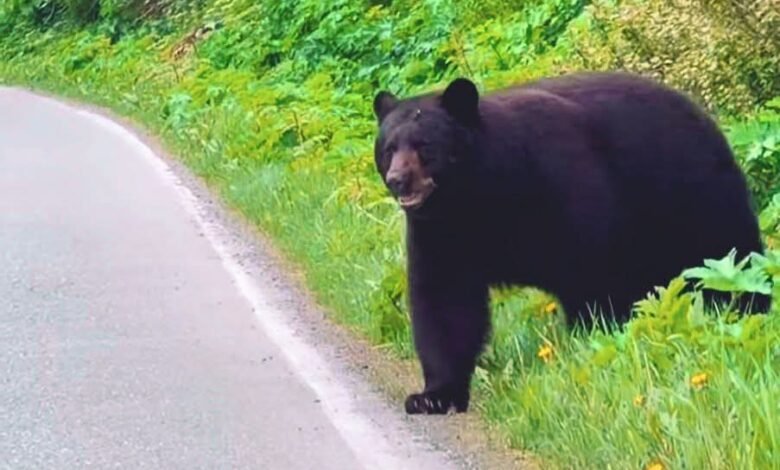
Pulwama, Sep 3, KNT: Two people, including a woman, were injured in separate bear attacks in Tral areas of South Kashmir’s Pulwama district on Thursday, as the Wildlife Department plans to use radio/GPS collars to track animals trapped in populated areas and released back into their natural habitats.
Ghulam Nabi Bhat, son of Abdul Rahim Bhat and a resident of Syed Abad Pastuna, was injured when a bear attacked him in Pastuna village. In a separate incident at Tral Bala, a woman identified as Shareef Begum, wife of Riyaz Ahmad Bhat, was also injured in a bear attack.
Shareef Begum was initially taken to Sub-District Hospital Tral and was later shifted to SMHS Hospital Srinagar for further treatment.
The incidents have brought renewed attention to a question that has remained difficult to answer in Kashmir’s recurring human-bear encounters: what happens after a bear is trapped and released away from a populated area?
📢 8,000+ readers already joined for instant Kashmir News Trust updates
Wildlife Range Officer Khangund, Tral Range, Muhammad Younis told the news agency Kashmir News Trust that the department has trapped dozens of bears from different areas and released them in their habitats. He said the proposed use of collar-based tracking would help determine whether animals released after capture subsequently return towards residential areas.
“Our team traps the wild animals wherever they appear,” Younis said, adding that tracking the animals after release would provide a clearer picture of their movement and behavior.
The proposed approach is not without precedent. Kashmir has already been part of radio-collaring research involving bears. A Wildlife SOS and J&K Wildlife Protection Department project launched in 2023 fitted six Himalayan brown bears with GPS-enabled radio collars to study their movements, habitat use and interaction with human settlements.
Earlier Wildlife Institute of India research in the Dachigam landscape also used radio-collaring to study Asiatic black bears, including their movement and use of different habitats. Such tracking can show whether a captured animal remains within its release habitat, moves towards human settlements or repeatedly follows particular routes.
The significance of such monitoring is growing as bear encounters continue to occur around villages, orchards and other areas of human activity in Kashmir. A recent study of human-black bear conflict in South Kashmir has linked the problem to factors including habitat degradation and reduced natural resources, while researchers have also examined how bears use landscapes containing both forest and human habitation.
J&K recorded 15,661 human-wildlife conflict incidents over two years, with 32 deaths and 350 injuries, according to figures presented by the government in February 2026. The figures underline the scale of the challenge facing communities as well as wildlife managers.
For Tral, Thursday’s two attacks again bring the issue into sharp focus. If collar-based monitoring is introduced, the resulting movement data could help establish whether repeated appearances of bears in residential areas are linked to the same animals being relocated, their habitual movement routes, availability of food near settlements, or broader changes in habitat use. [KNT]